
Understanding cultural perspectives in gambling behavior across different societies
The Role of Culture in Gambling Behavior
Cultural beliefs and values significantly influence gambling behavior across societies. In many cultures, gambling is intertwined with social traditions and communal activities. For instance, in some Asian societies, games like Mahjong are not merely about chance but are seen as avenues for social bonding. The perception of luck, fortune, and fate varies significantly, which in turn shapes how individuals engage in gambling practices. Considering various aspects, it is important to explore the best forex brokers as they can reflect global market trends. Some cultures view gambling as a recreational activity, while others consider it a serious social concern or even a vice.
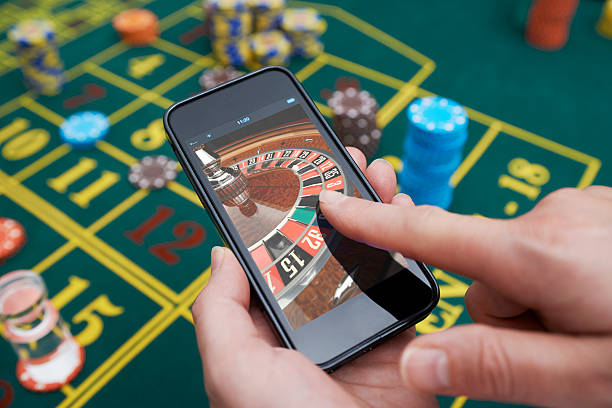
In Western cultures, particularly in the United States, gambling is often associated with entertainment and escapism. Casinos and lotteries thrive on the premise that individuals can enjoy a thrilling experience while potentially winning substantial sums of money. However, this perspective can lead to differing attitudes toward gambling addiction and responsible gambling. In contrast, many indigenous cultures may see gambling as a way of connecting with their heritage and history, reflecting a complex interplay between cultural identity and gambling behavior.
Understanding these cultural nuances is crucial for both policymakers and businesses within the gambling industry. Acknowledging the cultural context in which gambling occurs can help tailor responsible gambling initiatives and marketing strategies to align with local beliefs and practices. This cultural sensitivity can mitigate the risks associated with gambling and promote healthier attitudes toward this activity across diverse populations.
Cultural Attitudes Toward Gambling
Cultural attitudes toward gambling can vary widely, shaping how different societies approach this activity. In some countries, like Japan, gambling is tightly regulated, with only specific forms deemed acceptable, such as Pachinko parlors. This limited acceptance reflects a broader societal viewpoint that associates gambling with vice and moral failing. On the other hand, countries like Australia embrace gambling as part of mainstream culture, with numerous events and venues dedicated to it.
The acceptance or rejection of gambling can significantly impact the laws and regulations that govern it. For example, in countries where gambling is viewed negatively, such as some Middle Eastern nations, strict laws may exist to discourage participation. Conversely, in places where gambling is celebrated, you might find less stringent regulations and a wider array of gambling options. This divergence highlights the importance of cultural values in shaping policies that govern gambling.
Moreover, cultural attitudes also influence how individuals perceive their gambling behaviors. For instance, in some cultures, winning may be seen as a reflection of personal skill and luck, while losing is interpreted as bad fortune or a lack of moral integrity. This belief can lead to different responses to winning and losing, affecting how individuals manage their gambling habits. Recognizing these attitudes is vital for fostering a healthier gambling environment that resonates with the values of the community.
The Psychological Impact of Cultural Context
The psychological underpinnings of gambling behavior can be heavily influenced by cultural context. Culture shapes our beliefs, attitudes, and ultimately our behaviors regarding risk-taking and chance. In collectivist cultures, the impact of individual gambling behavior on family and community may deter excessive gambling, as the consequences extend beyond personal loss. Conversely, in individualistic societies, personal freedom and autonomy may lead individuals to pursue gambling more freely, often without considering its broader implications.
The stigma associated with gambling can also be culturally specific. In some societies, losing money through gambling may lead to shame and social ostracism, which can deter individuals from participating. In contrast, in cultures where gambling is celebrated, individuals may be more willing to share their experiences, positive or negative, creating a more open dialogue about gambling practices. This cultural lens is essential for understanding gambling addiction and developing effective intervention strategies.
Furthermore, the psychological effects of gambling—such as excitement, anxiety, and stress—can be exacerbated or alleviated depending on cultural perceptions. Recognizing these psychological impacts and their relationship with cultural beliefs can guide mental health professionals in offering tailored support to individuals facing gambling-related challenges. Culturally informed strategies are crucial for addressing addiction and promoting well-being within diverse populations.
The Evolution of Gambling Practices Worldwide
The evolution of gambling practices is closely tied to cultural shifts and changes in societal values. In recent years, there has been a global trend toward increased acceptance and legalization of various forms of gambling, from online betting to sports wagering. This shift reflects broader societal changes that embrace risk-taking behaviors and digital engagement. However, this evolution is not uniform across all cultures, as different societies adapt to these changes based on their unique historical contexts and values.
The proliferation of technology has also transformed how gambling is perceived and practiced. Online gambling platforms have made it easier for individuals to engage in gambling activities from the comfort of their homes. This accessibility raises new questions about regulation, particularly in cultures where gambling has historically been stigmatized. Governments must navigate this evolving landscape while balancing the interests of the industry with the welfare of their citizens, often relying on cultural attitudes to guide their regulatory frameworks.
Additionally, the cultural significance of traditional gambling practices continues to persist, even amidst modernization. Indigenous games, local betting rituals, and traditional card games often carry deep cultural meanings that connect individuals to their heritage. These practices offer insight into how gambling can serve as a tool for cultural expression, community bonding, and maintaining traditions, despite the encroachment of more mainstream gambling forms.

Exploring Our Website’s Resources
Our website serves as a comprehensive resource for anyone seeking to understand the multifaceted world of gambling behavior across cultures. We provide valuable insights into how cultural perspectives shape gambling practices, policies, and attitudes worldwide. From in-depth analyses to expert opinions, our content is designed to inform readers about the complex interplay between culture and gambling.
Through our extensive research, we aim to foster a deeper understanding of gambling behavior, ultimately promoting responsible practices. Whether you are a researcher, a policymaker, or simply interested in gambling cultures, our website offers a wealth of information to enhance your knowledge. Join us in exploring the rich tapestry of gambling behavior across different societies and how it continues to evolve in an ever-changing world.
